
Tempo
Eccentric and isometric phases extend time under tension. A four-second descent can match the demand of many loaded variations.

01 — Foundation
Every session treats your skeleton as load-bearing structure. You learn where force travels, how joints stack, and why small shifts in angle change difficulty more than adding weight ever could.
Our curriculum is designed for adults who prefer clear, progressive instruction over hype. Sessions emphasize form literacy, breath rhythm, and honest self-assessment.
Internal Mirror Guide
02 — Pillars
When external load is absent, you scale difficulty through tempo, leverage, and range. Each pillar is explored in depth across our tracks.
Eccentric and isometric phases extend time under tension. A four-second descent can match the demand of many loaded variations.
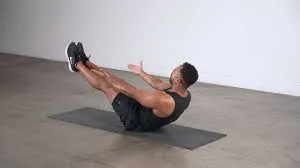
Body angle redistributes load between joints. Feet elevated, arm reach, and hip height all recalibrate which tissues work hardest.

Controlled end ranges build usable mobility. We teach how to enter and exit positions without momentum masking weak points.
03 — Daily Practice
Training without equipment demands constant proprioception. You map where your center of mass sits relative to your base of support before advancing to inversions or arm balances.
The journal shares coach reflections on recovery pacing, focus drills, and session structure for home practice.
Read the Journal
04 — Roadmap
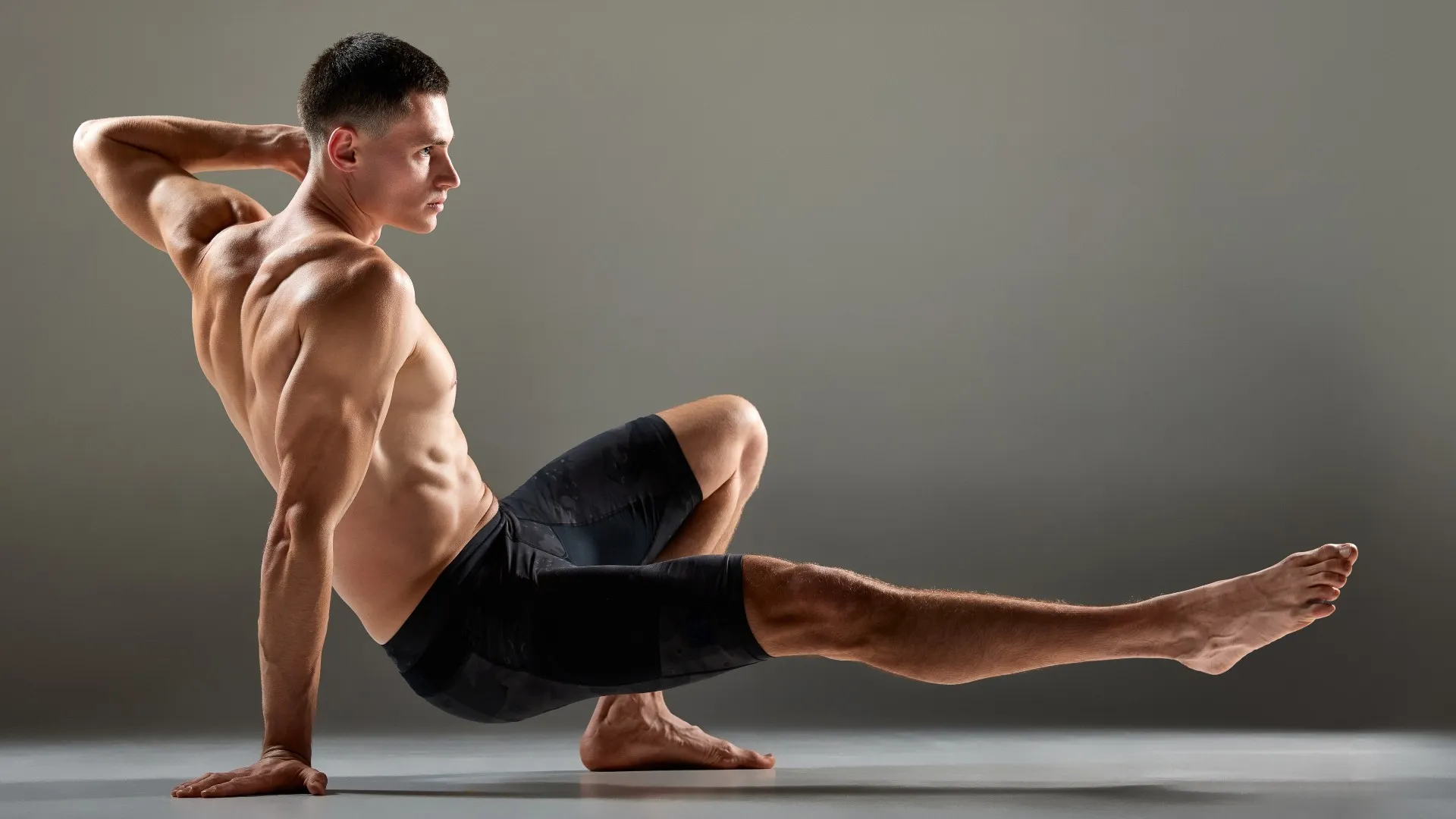
Progressions such as Floor to Handstand and Spine & Core Architecture unfold across linked modules. Each baseline position unlocks the next when stability and control are consistent.
View Skill Trees05 — Begin
Browse guided programs, ask questions through our contact form, or study the internal mirror cues before your next session.